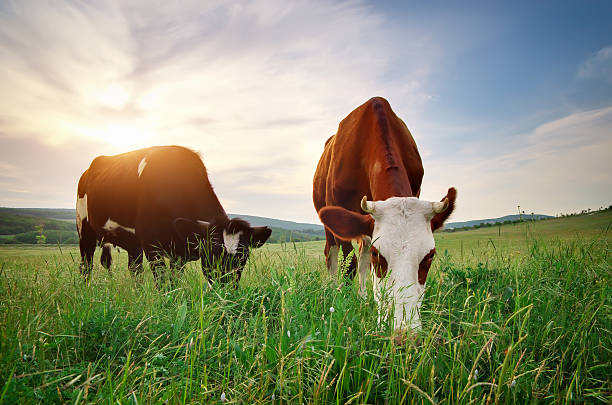
Animal production is the branch of agriculture that focuses on the breeding, feeding, management, and utilization of domesticated animals for the production of food, fiber, labor, and other products. Common livestock species include cattle, sheep, goats, pigs, poultry, and rabbits. The primary objective of animal production is to improve the quantity and quality of animal products such as meat, milk, eggs, wool, and hides while ensuring the welfare of the animals and the sustainability of production systems.

Animal production plays a significant role in food security, income generation, and economic development. Livestock provide high-quality protein and essential nutrients that contribute to human health and nutrition. In many rural communities, livestock serve as a source of employment, household income, manure for crop production, and draft power for farming activities. The livestock sector also contributes substantially to national economies through trade and value-added products.

Modern animal production emphasizes efficient resource utilization, improved breeding practices, proper nutrition, disease prevention, and sustainable management systems. Farmers and livestock producers use scientific knowledge and technology to enhance productivity while minimizing environmental impacts and promoting animal welfare. As the global demand for animal products continues to increase, animal production remains a vital component of agricultural development and sustainable livelihoods.


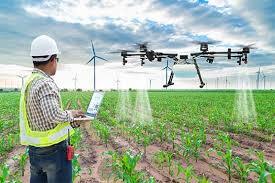
This course provides a comprehensive introduction to the principles and practices of crop production. It covers the biological, environmental, and economic factors that influence crop growth and yield. Students will explore various crop types, production systems, and the technologies used in contemporary agriculture.

Key Topics:

  1. Plant Biology and Physiology:

    • Seed germination and seedling development
    • Photosynthesis and respiration
    • Nutrient uptake and roles in plant growth
  2. Soil Science:

    • Soil properties and types
    • Soil fertility and amendments
    • Soil conservation practices
  3. Crop Management Practices:

    • Crop rotation and diversification
    • Irrigation and water management
    • Pest and disease management
  4. Agricultural Technology:

    • Use of machinery in crop production
    • Precision agriculture techniques
    • Biotechnology in crop production
  5. Sustainable Practices:

    • Organic farming principles
    • Integrated pest management (IPM)
    • Impact of climate change on crop production
  6. Economic and Marketing Aspects:

    • Cost analysis in crop production
    • Market trends and crop selection
    • Value-added agriculture